


Maintaining Your Trees
Tree maintenance
The basics
You don’t have to be a professional arborist or landscaper to know the value of routine tree maintenance. Keeping the vegetation on your property in check is crucial to maintaining a safe home. From storm winds to age and decay, there are a number of forces that can turn trees into destructive hazards.
We’ll discuss the financial, aesthetic and safety benefits of seasonal tree care in this article. Plus, tips on the best time to trim trees, and when to remove a tree.
The maintenance aspects revolve around trimming, pruning, watering, fertilization (when needed), and mulching. We will break these down below.
Trimming involves removing unwanted limbs for a specific task (trim away from a building), or simple aesthetics.
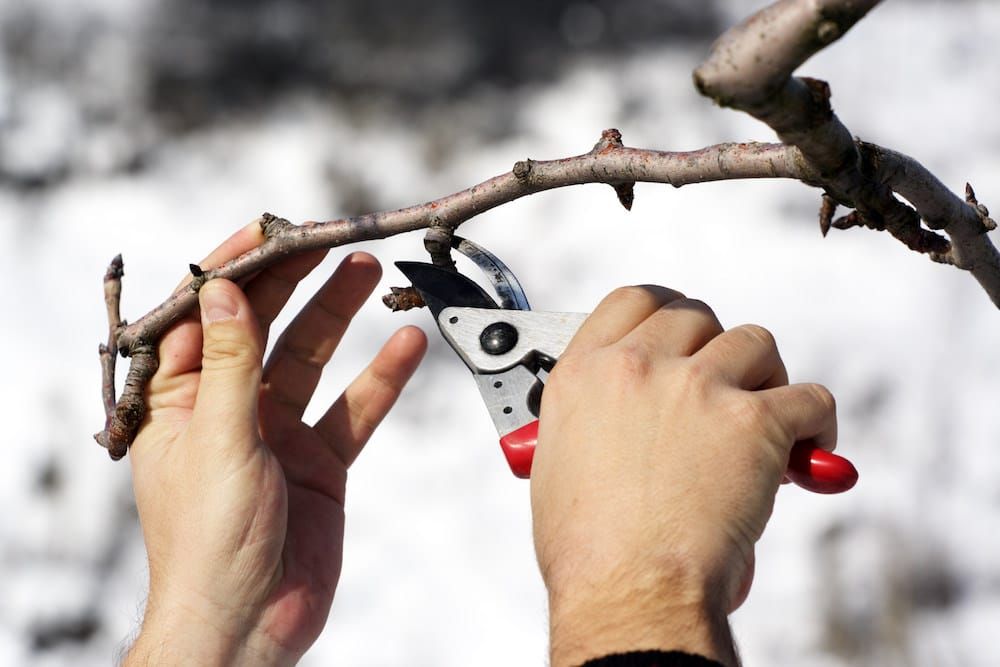
Pruning also involves removing limbs, but mainly for health purposes.
Watering is a crucial task. Especially when trees are young, or a drought may present.
Fertilization is mainly performed on younger trees, but can be performed on mature trees to increase nutrient intake.
Mulching is mainly performed to protect a trees rooting system from elements, and help water absorption.
Benefits & Types of tree pruning
The benefits of tree pruning are typically health related. Dead pruning involves removing dead or dying branches. Crown thinning removes some inner branches from the crown of the tree to open airflow and light while trying to maintain the tree's natural shape. These pruning techniques help foster the long-term health of the tree, boosting the aesthetic appeal of your property and helping reduce the chances your home might be harmed by falling branches or trees during weather events.
Tree trimming has more practical benefits for your home. For example, crown lifting is a type of trimming that cuts branches from the lower section of a tree, often for the purpose of removing parts that conflict with a structure on your property.
Improves tree health
Improving a tree’s health by cutting it might feel counterintuitive, but pruning really is an essential part of tree health care. A healthy tree needs ample access to sunlight, access that can be blocked by its own overgrown limbs.
Pruning limbs also helps spread nutrients more evenly around the tree, leading to overall improved health. It’s a great way of assessing tree health too, since pruning reveals more of the tree and can help find diseases before they spread further.
Control pests and diseases
Trimming and pruning are excellent ways to help control pests. A healthy tree is a bastion against pests and diseases alike. Keeping your trees properly trimmed and pruned helps them turn away uninvited guests. These same pests (like termites for example) could find their way into your home, so helping the trees helps you, too.
Increase curb appeal
Want to know how to increase property value without making additions to your home? Properly maintaining the trees on your property is a great example of how to boost curb appeal. Think about it – a finely manicured lawn and freshly painted porch are nice, but if they’re shrouded by overgrown trees, the effect is diminished.
Benefits of mulching and fertilizing
There’s already soil there, so why is mulching important? Mulching fortifies the topsoil at the base of a tree, insulating the roots and helping maintain moisture levels. Learning how to mulch a tree neatly adds an aesthetic finish that creates an intentional look for your yard. Fertilizer, on the other hand, focuses exclusively on adding nutrients to the soil. The benefits of fertilizer are healthier trees that add more aesthetic appeal and have a lesser chance of posing safety risks to your home.
Benefits of watering trees
You water your house plants, so why not your trees? If you’re experiencing a drought or you live in an area with limited precipitation, you may need to water the trees around your home to ensure they stay healthy and green. A little extra water can produce more lush foliage, too, so even if sufficient rain has fallen, you can water your trees to boost that verdant glow. Remember that younger trees may need more attention than older ones, so don’t hesitate to offer your saplings water.
When to remove a tree
That beautiful, towering oak in front of your home may have kept watch for years, but it can quickly become a risk once it reaches the end of its life. Look for signs of health issues in your trees – excessive damage, rot, dead branches or fungal infections. Health isn’t the only reason to remove a tree, of course. Sometimes trees can begin to lean or simply sprout up in a dangerous position, like over the spot where you park your car. In any case, always consult a professional to determine whether the tree should be removed and avoid trying to remove it yourself.
Protect your home and property
Aesthetic appeal counts, but at the end of the day, maintaining the trees on your property is primarily a matter of safety. Falling trees and branches can cause extensive damage to your home and pose a serious threat to you and your family. Preventing tree damage from storms starts with proactively caring for trees to minimize these risks.
You might also like